What Your Thyroid Panel Actually Measures And What It Doesn't
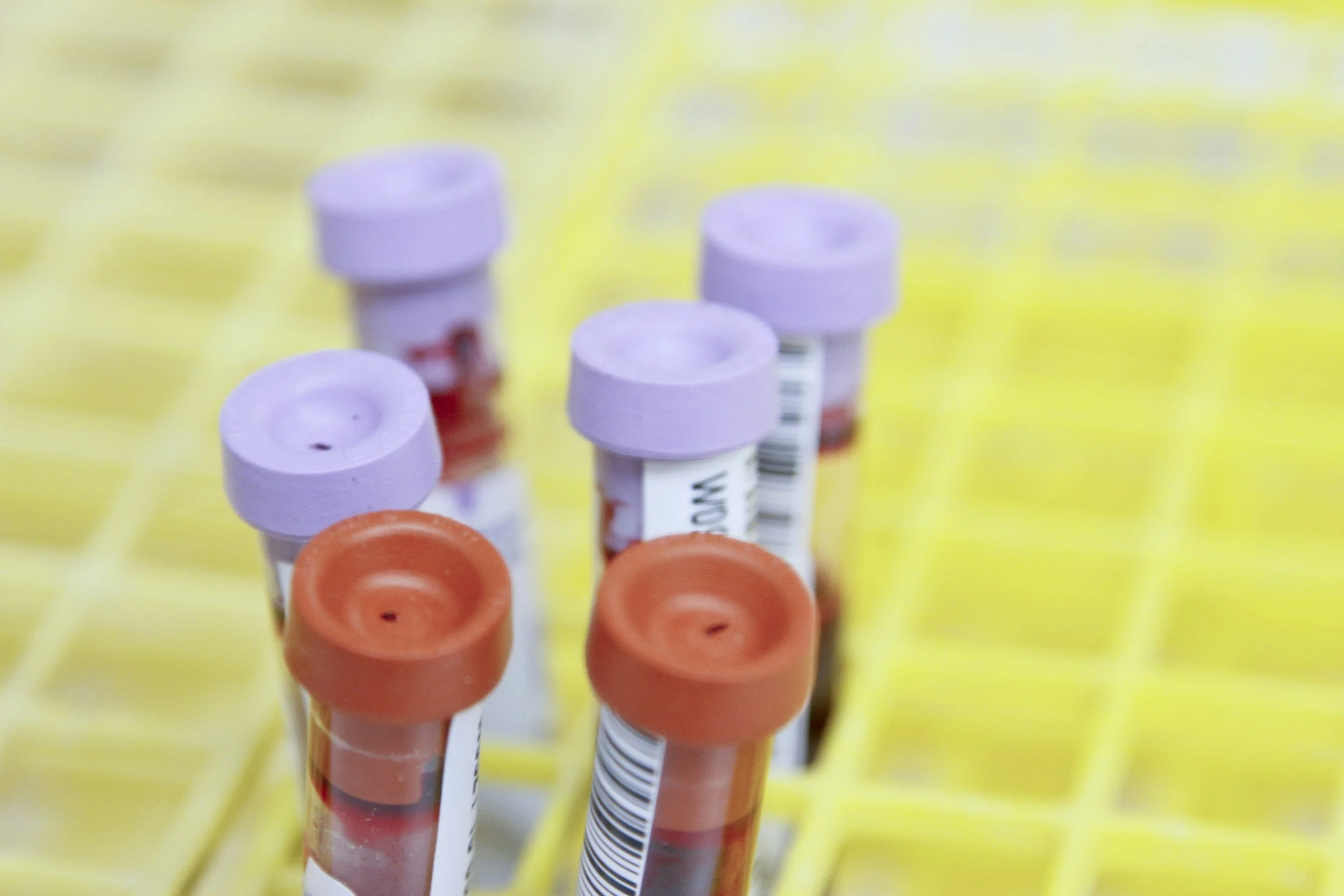
If you've been told your thyroid is fine but you're still exhausted, still cold, still losing hair, this is worth reading.
A normal thyroid result and a fully functioning thyroid are not always the same thing. The difference often comes down to what was actually tested.
What most thyroid panels include
The standard thyroid test ordered by most primary care providers is TSH, thyroid stimulating hormone. TSH is produced by the pituitary gland and tells the thyroid how much hormone to make. When TSH is elevated, it usually signals the thyroid is being pushed to work harder. When it's low, the thyroid may be overproducing.
TSH is a useful screening marker. It is not a complete picture of thyroid function.
What TSH doesn't tell you
TSH tells us what your brain is asking your thyroid to do. It doesn't tell us what your thyroid is delivering or whether what it delivers is getting into your cells and working.
The hormones that fill in that picture are Free T3 and Free T4.
Free T4 is the main hormone produced by the thyroid. It's largely inactive until it converts into Free T3, the active form that your cells actually use. That conversion happens primarily in the liver, gut, and peripheral tissues. If conversion is impaired by chronic stress, nutrient deficiencies, gut issues, or inflammation, Free T3 can be low even when TSH and T4 look normal.
The antibody piece
Thyroid antibodies, specifically TPO (thyroid peroxidase) and thyroglobulin antibodies, are another marker that rarely makes it onto a standard panel, but that tells us something important.
Elevated antibodies indicate that the immune system is attacking thyroid tissue. This is the hallmark of Hashimoto's thyroiditis, the most common cause of hypothyroidism. Hashimoto's can cause significant symptoms, fatigue, brain fog, hair thinning, weight changes, mood shifts, long before TSH ever moves out of range. Without antibody testing, it often goes unidentified for years.
What this means in practice
When I work with a patient who has thyroid-related symptoms, I look at the full panel: TSH, Free T3, Free T4, TPO antibodies, and thyroglobulin antibodies, alongside nutrient markers that affect thyroid function, like ferritin, vitamin D, and selenium. (Note: I am not suggesting you supplement selenium without guidance, I'd recommend discussing this with a provider who can review your full picture.)
The goal isn't to override what your primary care provider ordered. It's to fill in the gaps that routine testing wasn't designed to catch.
If your thyroid symptoms persist and your standard panel keeps coming back normal, it may be that no one has looked at the full picture yet. That's a reasonable next step, not a sign that something is being missed by your current provider, but an opportunity to look more completely.
If you'd like to talk through what a fuller workup might look like for you, I offer a free 15-minute wellness consult visit for women in Virginia, DC, and Maryland.